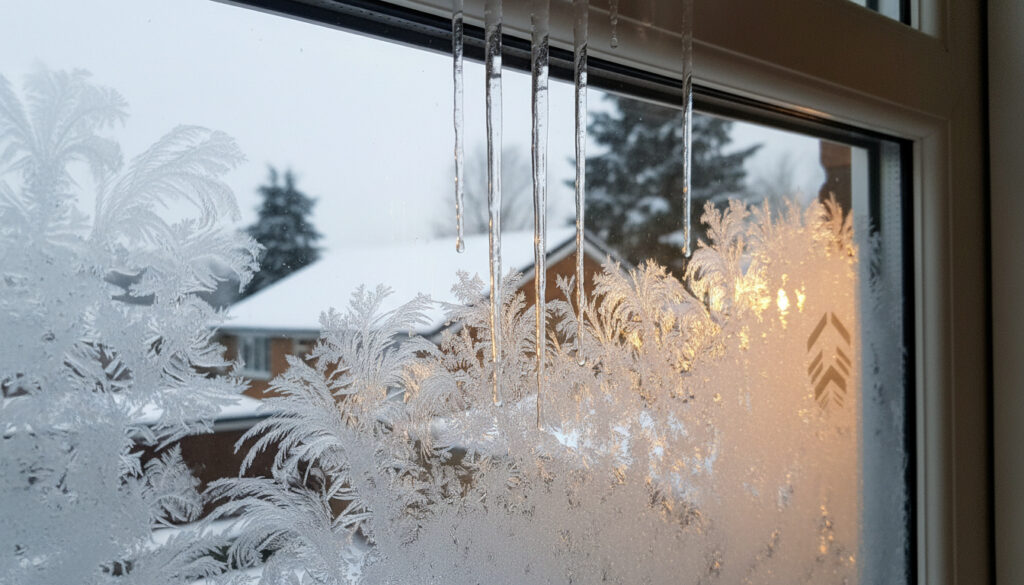
Winter uPVC Window Energy Cost – UK Prices and Savings Guide
Outdated uPVC installations could be adding between £150 and £350 to annual energy bills this winter, according to industry assessments from early 2026. While modern multi-chambered frames and Low-E glazing significantly reduce heat loss, ageing single-glazed units or degraded seals continue leaking warmth during peak demand months.
Replacement costs for a typical three-bedroom home range from £4,000 to £10,000 depending on specifications, with individual units priced between £250 and £1,500. Understanding the relationship between upfront investment and long-term thermal savings remains critical as households navigate sustained utility price pressure.
How Much Do uPVC Windows Cost in the UK?
Comprehensive replacement projects vary dramatically based on property size, window style, and glazing specifications. Recent 2025 pricing data indicates substantial differences between basic casement installations and premium sash or bay configurations.
£150-£350 (inefficient uPVC)
£300-£1,500 installed
Low-E Glass Reduces Bills
Poor Ventilation Increases
Key Pricing Insights
- Full-house replacement for standard uPVC casement styles averages £4,130-£7,500
- Casement windows represent the most economical option at £250-£1,250 per unit installed
- Sash and tilt-turn configurations command premiums of 20-40% over basic casements
- Bay or bow windows add £1,800-£5,000+ per feature unit
- Semi-detached properties typically require £5,000-£10,000 for complete 9-12 window sets
- Detached homes with 10+ windows often exceed £7,000 for comprehensive upgrades
- Online calculators factor 2025 pricing based on count, dimensions, and glazing type
Cost Breakdown by Window Type
| Window Type | Average 3-Bed House Cost | Per Window (Installed) | Characteristics |
|---|---|---|---|
| uPVC Casement | £3,000-£10,000 | £250-£1,250 | Most common, side-opening, lowest cost |
| uPVC Sash | £4,500-£12,000 | £500-£1,500 | Vertical sliding, traditional aesthetic |
| uPVC Tilt & Turn | £5,900 (full house) | £350-£1,400 | Dual-opening mechanism, high security |
| uPVC Bay/Bow | £1,800-£5,000+ per unit | £1,100-£5,000 | Projects outward, adds space and light |
| Semi-detached (9-12 windows) | £5,000-£10,000 | – | Mid-range property standard |
| Detached (10+ windows) | £7,000+ | – | Larger footprint premium |
Independent analysis confirms casement styles average £500-£1,250 per unit, while specialist installers note that semi-detached properties typically fall within the £5,000-£10,000 range. For accurate projections, online calculators provide instant estimates based on current 2025 rates.
What Is the Winter Energy Cost Impact of uPVC Windows?
Thermal performance varies significantly between modern installations and ageing units. Current building standards require uPVC windows to achieve U-values between 1.0 and 1.4 W/m²K, representing heat transfer rates substantially lower than outdated alternatives.
Quantifying Heat Loss
Modern double and triple-glazed uPVC units reduce heat loss by up to 75% compared to single glazing, according to efficiency assessments. Multi-chambered frame designs create thermal breaks that minimize cold bridging, while argon-filled cavities between panes slow heat transfer.
Households retaining pre-2000 uPVC installations or single-glazed variants face annual winter penalties of £150-£350 due to excessive heat transfer and thermal bridging through degraded frames.
The Role of Installation Quality
Proper fitting proves as critical as the units themselves. Gaps around frames or failed seals allow drafts that negate glazing benefits. Trade assessments indicate that comprehensive replacement including proper sealing and insulation achieves the quoted U-value ratings, while partial upgrades may underperform.
How Do uPVC Windows Help Lower Energy Bills?
Beyond basic insulation, specific technologies within modern uPVC systems actively reduce heating demand. Low-emissivity coatings and advanced spacer bars transform windows from thermal weak points into efficiency assets.
Low-E Glass Technology
Low-emissivity (Low-E) glass features microscopic metallic coatings that reflect interior heat back into rooms while allowing solar gain. This technology cuts winter heat loss by 30-50% compared to standard double glazing, maintaining warmer internal glass surfaces that reduce condensation risk.
Low-E coatings reflect interior heat back into rooms, cutting winter heat loss by 30-50% while maintaining clearer inner panes through warmer surface temperatures that resist condensation formation.
Frame Engineering and Gas Fills
Multi-chambered uPVC profiles create air pockets that slow heat transfer through the frame itself. Combined with argon or krypton gas fills between panes—denser than air—these systems minimize convection currents that carry warmth outward. Warm edge spacer bars separate glass panes without the thermal conductivity of traditional aluminum spacers.
Upper-storey access requirements, bespoke sizing, and premium Low-E or argon-filled glazing specifications increase base installation costs by 10-30% according to 2025 pricing data from trade sources.
Calculating Long-Term Returns
A typical three-bedroom house saves £200-£400 annually on energy bills after upgrading to modern uPVC, based on Federation of Master Builders analysis. With installation costs averaging £4,000-£7,500 and uPVC systems lasting 20+ years with minimal maintenance, homeowners achieve full return on investment within 10 to 20 years depending on property specifics and energy price trajectories. Learning How to Work Out Percentage Increase – Formula, Steps and Examples helps assess these savings against installation quotes.
Expect £200-£400 annual reduction for a 3-bed house based on improved insulation lowering gas/electric use by 10-20%, with systems remaining functional for 20+ years amortizing costs to approximately £200 yearly.
How to Prevent Condensation on uPVC Windows?
Condensation occurs when warm, moist air contacts cold glass surfaces. Modern uPVC installations combat this through warm edge technology and improved thermal barriers, though household humidity management remains essential.
Technological Solutions
Warm edge spacers maintain the edges of glass units at temperatures closer to room air, eliminating the cold perimeter zones where condensation typically forms first. Combined with Low-E glass that keeps inner pane surfaces warmer, these features significantly reduce moisture buildup during cold snaps.
Ventilation Requirements
Even high-performance windows require adequate air circulation. Trickle vents integrated into uPVC frames allow controlled airflow without significant heat loss, while extractor fans in kitchens and bathrooms remove moisture at source. Persistent condensation between panes indicates seal failure requiring unit replacement rather than surface cleaning.
Timeline of uPVC Energy Developments
Recent industry publications document evolving cost structures and efficiency warnings regarding winter thermal performance.
- : Secureglaze publishes updated pricing guides establishing £300-£1,500 per window ranges for 2025 installations
- : Cliffsidewindows releases analysis differentiating costs by window type and configuration
- : National media issues warnings regarding PVC window heat loss and unnecessary bill inflation
- : Colinssashwindows documents specific £150-£350 annual winter penalties for inefficient existing installations
Certainty and Uncertainty in Window Cost Data
| Established Information | Information Remaining Unclear |
|---|---|
| Inefficient uPVC adds £150-£350 to annual winter heating bills | Precise savings calculations for homes built before 1919 vs post-1990 |
| Modern uPVC achieves U-values of 1.0-1.4 W/m²K | 2025-specific tariff impacts from named energy providers |
| Low-E glass reduces heat loss by 30-50% compared to standard double glazing | Exact regional installation cost variations across UK postcodes |
| Full house replacement averages £4,000-£10,000 for 3-bedroom properties | Long-term energy price trajectory effects on 20-year ROI calculations |
| Casement styles cost £250-£1,250 per window installed | Specific grant availability timelines for 2025 energy efficiency upgrades |
The Context of Winter Window Efficiency
UK housing stock includes millions of uPVC installations fitted during the 1980s and 1990s boom, many now reaching the end of their effective thermal lifespan. As winter 2025 approaches, the contrast between these ageing units and modern standards becomes financially significant. Comparative analysis shows detached properties face particular pressure, often requiring £7,000+ investments for comprehensive upgrades but standing to lose the most heat through extensive glazing.
The current economic climate amplifies these technical considerations. With households seeking methods to control expenditure, Be Clever With Your Cash – UK Podcast and Newsletter Guide offers additional financial planning resources. The choice between repairing existing frames and full replacement increasingly hinges on quantifiable thermal performance rather than aesthetic considerations alone.
Expert Sources and Industry Verification
Casement uPVC windows average £500-£1,250 per unit, while tilt-and-turn or sash types cost more at £600-£1,500 per unit.
Independent Home Improvement Analysis, 2025
Expect £200-£400 annual reduction for a 3-bed house based on improved insulation lowering gas/electric use by 10-20%.
Federation of Master Builders
Online calculators provide instant quotes based on window count, size, and type, factoring in 2025 prices.
WhatPrice Construction Data
Summary
Winter uPVC window decisions require balancing immediate capital expenditure against measurable thermal savings. With inefficient installations costing households £150-£350 annually in excess heating bills, modern replacements offering £200-£400 yearly savings represent viable long-term investments despite £4,000-£10,000 upfront costs. Prioritizing Low-E glass and proper installation proves essential for realizing quoted efficiency gains.
Frequently Asked Questions
What factors affect uPVC window costs?
Window style, size, glazing specification, and installation access determine pricing. Casement units cost £250-£1,250, while sash or bay configurations range £500-£5,000. Upper-storey fitting adds 10-30% to base rates.
Do all uPVC windows save energy equally?
No. Modern double or triple-glazed units with Low-E coating and argon filling achieve U-values of 1.0-1.4 W/m²K. Older single-glazed or degraded frames perform significantly worse, increasing heat loss by up to 75%.
How can I calculate my home’s window replacement costs?
Online calculators at procalculator.co.uk and whatprice.co.uk generate instant estimates based on window count, dimensions, and style selections using current 2025 pricing data.
Will new uPVC windows eliminate condensation?
Properly installed units with warm edge spacers and adequate ventilation reduce condensation by maintaining warmer interior glass surfaces. However, household humidity levels and air circulation remain contributing factors.
How long until new windows pay for themselves?
With annual savings of £200-£400 on energy bills and average installation costs of £4,000-£7,500, homeowners typically achieve full return on investment within 10 to 20 years depending on property specifics.
More related posts
 INDW vs SL-W – Complete 2025 T20I Series Results and Scorecards
 Jodie Whittaker: Children, Husband, New Look & Frauds
 How to Change Name on Facebook – Profiles and Pages Guide
 Walton Goggins Movies and TV Shows: Complete Filmography
 Kent and Canterbury Hospital: Services, Wards & Day Surgery Guide
 Liverpool vs Atlético Madrid – Van Dijk Seals 3-2 Win
 Satish Shah Dead at 74: Children, Wife’s Alzheimer’s, Legacy
 Shreya Ghoshal Net Worth, Husband, and Fee per Song
