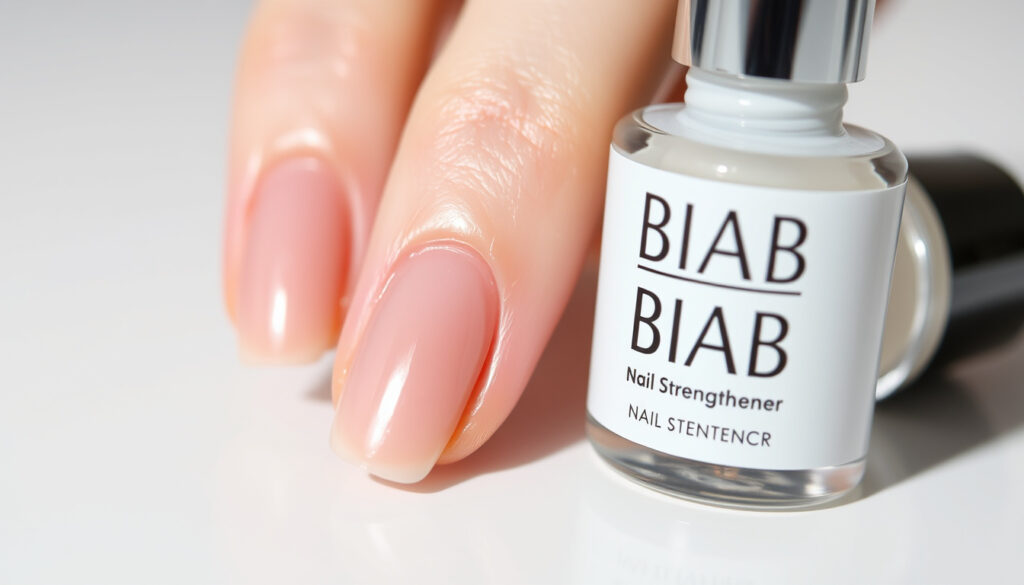
What Is BIAB Nails – Strengthen Weak Brittle Nails
BIAB nails represent a significant advancement in nail strengthening technology. Short for Builder in a Bottle, this medium-viscosity gel system delivers a protective overlay that reinforces natural nails without the harsh effects associated with traditional enhancement methods. The treatment has gained considerable traction in salons across the United Kingdom and beyond, particularly among clients seeking to address weak, brittle, or damaged nail beds.
Unlike conventional gel polish applications, BIAB creates a sculpted overlay that mimics the nail’s natural apex while providing structural support against everyday wear and tear. The formula integrates primer and base coat properties, eliminating the need for separate products during application. This consolidation appeals to both nail technicians and clients who value efficiency without compromising nail health.
The growing popularity of BIAB manicures reflects a broader shift in the beauty industry toward gentler, more nourishing nail care solutions. As awareness spreads about the damaging effects of acrylics and certain solvent-based polishes, consumers increasingly gravitate toward options that promote natural nail growth while maintaining aesthetic appeal.
What Are BIAB Nails?
BIAB functions as a soft-gel overlay applied directly to natural nails. The formulation sits between traditional gel polish and hard builder gels in viscosity, allowing technicians to sculpt and shape the nail with precision while achieving a flexible yet durable finish. Curing under UV/LED lamps at low heat settings ensures proper hardening without generating excessive warmth that could cause discomfort or damage to the nail plate.
Soft-gel overlay for natural nails
21-28 days with proper care
Weak, brittle, or thin nails
Professional soak-off technique
The application process differs substantially from standard gel polish. Rather than simply painting the product onto the nail surface, technicians build BIAB in thin layers, carefully sculpting the apex and sidewalls to create a uniform shape. This layered approach ensures even distribution and maximum strength without bulkiness.
Key insights about BIAB nails include the following:
- The product includes built-in primer, eliminating the need for separate prep products
- BIAB can be worn clear for a natural look or used as a base layer under color gel
- The flexible yet strong formula resists chips and breaks better than standard gel
- Regular application over time may actually promote natural nail growth
- Low-heat curing settings help protect both nails and surrounding skin
- The formula allows for infill appointments rather than complete removal and reapplication
The Gel Bottle brand pioneered many of the formulas now commonly referred to as BIAB, establishing itself as a trusted source for both professionals and clients seeking reliable nail strengthening treatments.
| Attribute | Details |
|---|---|
| Primary Brand | The Gel Bottle |
| Application Method | Sculpted overlay on natural nail |
| Curing Requirements | UV/LED lamp, low heat setting |
| Expected Wear Time | 21-28 days |
| Compatibility | Works with color gel overlays |
| Maintenance Type | Infill appointments every 2-3 weeks |
BIAB Nails vs Gel Polish
Understanding the distinction between BIAB and traditional gel polish proves essential for clients considering their options. While both products cure under UV or LED light and offer glossy finishes, their compositions and purposes differ considerably.
Key Differences in Formulation
Gel polish arrives in a liquid consistency that technicians apply in thin, flexible coats. The product adheres to the nail surface and cures to a flexible, lightweight finish that many clients find indistinguishable from regular nail polish. BIAB, by contrast, uses a thicker, more robust formula specifically engineered to reinforce the natural nail structure rather than merely add color.
The structural reinforcement provided by BIAB makes it particularly valuable for individuals whose nails tend to split, peel, or break during normal activities. Gel polish offers minimal protection against physical stress, while the builder gel overlay distributes pressure more evenly across the nail surface.
Durability and Longevity
Clients typically report that BIAB maintains its integrity for three to four weeks, compared to the two to three weeks expected from standard gel polish. This extended wear time reduces the frequency of salon visits and associated costs, though each appointment tends to run longer due to the sculpting requirements.
While some enthusiasts attempt at-home BIAB application, professional installation ensures proper layering technique and optimal curing, significantly reducing the risk of lifting or damage.
Application Time and Process
A complete BIAB appointment, including any color overlay, typically requires ninety minutes to two hours. Standard gel polish applications generally conclude within one hour. The additional time reflects the sculpting process and the application of multiple thin layers to achieve the desired strength and shape.
The color variety available through BIAB alone remains more limited than traditional gel polish collections. However, technicians frequently layer clear BIAB beneath gel polish color coats, combining the structural benefits with extensive color options.
BIAB vs Acrylic Nails
The comparison between BIAB and acrylic enhancements reveals fundamental differences in both materials and methodology. Acrylic systems combine liquid monomer with powder polymer to create a hard, rigid layer that adheres to the natural nail or nail extensions.
Material Composition
Acrylic nails produce a notably harder surface than BIAB, which appeals to some clients but can feel restrictive or uncomfortable for others. The rigidity of acrylic makes these enhancements more prone to cracking under sudden impact, while the flexibility built into BIAB allows the overlay to absorb pressure without fracturing.
Many nail professionals consider BIAB the healthier option between the two systems. The gel formula contains fewer harsh chemicals than traditional acrylic systems and does not require drilling or aggressive filing for application or removal.
Flexibility and Comfort
The flexible nature of BIAB allows the natural nail to move naturally beneath the overlay. Acrylic enhancements, while durable, create a rigid barrier that some wearers describe as feeling unnatural. Over extended periods, the pressure differential between rigid acrylic and flexible natural nails can contribute to thinning of the nail plate.
Maintenance Requirements
Both systems support infill appointments as an alternative to complete removal and reapplication. The infill process for BIAB involves filing the regrowth area at the cuticle and applying fresh gel to blend seamlessly with the existing overlay. Acrylic infills follow a similar concept but require different products and techniques due to the distinct material properties.
Neither BIAB nor acrylic should be forcibly peeled from the nail surface. Professional soaking removal protects the integrity of the natural nail and prevents damage that could require extended recovery periods.
Pros and Cons of BIAB Nails
Weighing the advantages and disadvantages helps prospective clients make informed decisions about whether BIAB suits their lifestyle and nail care goals.
Advantages of the Builder Gel System
The primary benefit of BIAB lies in its ability to enhance natural nail strength without causing the damage associated with harsher enhancement methods. Regular applications can create conditions favorable for natural nail growth, as the protective overlay shields vulnerable nail plates from splitting and breaking during the regrowth phase.
- Enhances natural nail strength and promotes length growth
- Provides flexible yet durable protection against everyday damage
- Offers a glossy, salon-quality finish without extensive maintenance
- Supports nail art and color overlays for aesthetic customization
- Includes primer and base properties, simplifying the application process
Potential Drawbacks
The thicker application creates a more substantial feel that some clients initially find noticeable. Transitioning from lightweight gel polish to the heftier BIAB overlay may require an adjustment period of one or two applications.
- Thicker appearance and feel compared to standard gel polish
- Longer, more expensive salon appointments
- Limited standalone color options require layering for variety
- Initial cost approximately £10 higher than gel polish applications
Avoid using low heat lamps that may not properly cure the thicker BIAB layers. Insufficient curing can lead to tacky residue, lifting, or compromised durability over time.
BIAB Nails Before and After
Documented results from clients who have switched from gel polish to BIAB consistently show measurable improvements in nail quality over time. The before state typically reveals nails that split easily, peel at the edges, or fail to grow beyond a certain length without breaking.
Expected Outcomes
Following the first application, clients notice immediate structural reinforcement. The nails appear thicker and more uniform, with improved apex definition. Color application over the BIAB base creates a smooth, chip-resistant finish that maintains its shine throughout the wear period.
After multiple applications spanning several months, many clients report that their natural nails have grown longer and stronger than before beginning the BIAB regimen. The protective overlay allows the natural nail plate to recover from previous damage while preventing new splitting and peeling during the regrowth process.
Factors Influencing Results
Individual outcomes vary based on several factors, including starting nail health, technician skill, and adherence to proper maintenance schedules. Nails that were severely compromised before beginning BIAB treatment may require more frequent infill appointments initially to achieve optimal results.
Proper aftercare significantly impacts the before and after comparison. Clients who avoid using their nails as tools, moisturize cuticles regularly, and schedule timely infill appointments consistently report superior outcomes compared to those who neglect maintenance between visits.
What Are Infill Appointments for BIAB Nails?
Infill appointments represent the standard maintenance protocol for BIAB nails, occurring every two to three weeks depending on individual nail growth rates and lifestyle factors. Rather than removing the existing overlay entirely, technicians address the regrowth at the cuticle and blend the new application with the existing structure.
Understanding the Infill Process
The term infill refers to filling in the gap that develops as the natural nail grows forward beneath the existing overlay. This gap appears as a visible line where the original BIAB application ends and new natural nail begins. The infill process closes this gap while maintaining the structural integrity established during the initial application.
During the appointment, the technician gently files the exposed regrowth area to create a clean surface for the new gel application. Careful preparation ensures proper adhesion between the fresh BIAB and both the natural nail and existing overlay. The process concludes with curing and any desired buffing or color application.
Frequency and Timing
Most clients schedule infill appointments at two to three week intervals. Factors that may necessitate more frequent visits include rapid nail growth, occupations involving frequent hand use, or exposure to chemicals or water that may accelerate lifting. Those with slower growth patterns or protected lifestyles can often extend the interval between appointments.
Booking infill appointments before significant regrowth occurs helps maintain continuous protection. Waiting until the gap becomes prominent may require more extensive filing and result in a less seamless finish.
The History and Rise of BIAB Nails
The BIAB system emerged as nail care professionals sought alternatives to damaging enhancement methods. The Gel Bottle company developed and popularized the formula in the years preceding 2023, establishing brand recognition that extends beyond individual salon applications.
- Pre-2023: The Gel Bottle launches BIAB in the UK market, introducing the builder in a bottle concept to professional nail technicians
- 2023: Salon adoption accelerates as word spreads through professional networks and social media platforms about the nail-strengthening benefits
- 2024-2025: BIAB achieves peak popularity according to search trend data, with multiple brands introducing comparable builder gel products to meet growing demand
The timeline reflects broader consumer interest in nail health over purely aesthetic considerations. As awareness grows about the long-term damage caused by aggressive enhancement removal and certain chemical ingredients, formulations like BIAB that prioritize nail integrity continue gaining market share.
What’s Established and What Remains Uncertain
| Established Information | Uncertain or Variable Factors |
|---|---|
| BIAB strengthens natural nails when properly applied | Precise longevity varies based on individual nail health and care habits |
| The formula includes built-in primer properties | Specific brand performance comparisons lack comprehensive independent testing |
| Removal requires professional soaking techniques | Optimal frequency for infill appointments varies case by case |
| Application takes approximately 1.5 hours with color | Individual technician speed affects appointment duration |
| BIAB offers better nail health outcomes than acrylics | Long-term effects of continuous BIAB use beyond several years require further study |
Where BIAB Fits in Modern Nail Care
The nail care industry continues evolving toward formulations that balance aesthetic appeal with nail health considerations. BIAB occupies a strategic position between traditional gel polish and more intensive enhancement systems, appealing to clients who want protection and durability without the commitment required by acrylics or hard gels.
For individuals exploring broader hair and beauty care topics, BIAB represents one component of an integrated approach to personal grooming. The treatment aligns with growing consumer interest in products and services that enhance natural features rather than completely masking them.
Salons offering BIAB services often position the treatment as part of a nail rehabilitation or growth program, distinguishing it from purely cosmetic applications. This framing resonates with clients who have experienced nail damage from previous enhancement methods and seek gentler alternatives for ongoing maintenance.
What Nail Professionals Say
Industry experts have responded positively to the BIAB system, citing its versatility and nail health benefits in professional publications and salon consultations. Nail technicians consistently note the formula’s effectiveness for clients with problematic nail types who struggle to maintain gel polish or acrylic enhancements.
BIAB provides a specifically formulated overlay that protects the natural nail while allowing flexibility that harder enhancement systems cannot match. The built-in primer simplifies what used to be a multi-product process.
— Nail care professional, Good Housekeeping feature
For clients whose nails have been damaged by other treatments, BIAB often represents the path to recovery. The protective overlay allows the natural nail to grow out healthy while maintaining the aesthetic appearance clients expect.
— Nail technician, Glamour Magazine interview
Key Takeaways
BIAB nails offer a compelling option for individuals seeking nail strengthening without the harsh effects associated with traditional enhancements. The builder gel overlay provides three to four weeks of durable protection while promoting natural nail growth over time. While the initial cost and appointment duration exceed those of standard gel polish, many clients find the extended wear time and improved nail health justify the investment.
Those interested in exploring additional self-care topics may also benefit from researching nail health maintenance practices that complement professional treatments. Understanding the full range of available options helps consumers make informed decisions about their personal care routines.
Frequently Asked Questions
What is the difference between BIAB nails and builder gel?
BIAB and builder gel share similar properties, with BIAB serving as a branded term popularized by The Gel Bottle. Both function as sculpting overlays, though specific formulations and naming conventions vary by manufacturer.
How does BIAB compare to Shellac?
Shellac offers a thinner, more flexible finish ideal for temporary color applications, while BIAB provides substantial structural reinforcement and longer wear duration. Shellac typically lasts two weeks compared to BIAB’s three to four weeks.
Can BIAB damage natural nails?
When applied and removed properly by a trained professional, BIAB does not damage natural nails. Forcing removal or peeling can cause significant damage to the nail plate regardless of the enhancement type.
How much do BIAB nail appointments cost?
BIAB appointments typically cost approximately £10 more than standard gel polish applications due to the extended time and specialized products required. Prices vary by salon location and technician experience.
Can BIAB be removed at home?
While professional removal is recommended, at-home removal is possible using acetone soaking methods. The process requires patience and careful technique to avoid damaging the natural nail beneath the overlay.
Do BIAB nails look artificial?
BIAB can be applied transparently for a natural appearance that enhances rather than masks the natural nail. When used with color overlays, the result closely resembles standard gel polish with superior durability.
How often should BIAB infills be scheduled?
Most clients benefit from infill appointments every two to three weeks, though individual growth rates and lifestyle factors may require adjustments to this schedule.
More related posts
 Kim Seok-jin – Age, Military Service and Solo Career
 Prince Edward, Duke of Kent: Biography, Age & Succession
 University of Sunderland London: Campus, Rankings & Guide
 80 Fahrenheit to Celsius: Convert 80°F to °C Easily
 How to Work Out Percentage Increase – Formula, Steps and Examples
 Microsoft Hotmail Sign In – Outlook.com Access Guide
 John Conteh: Boxing Career, Record, and Life in 2025
 Is Sweetcorn Good for You – Benefits, Nutrition and Risks
