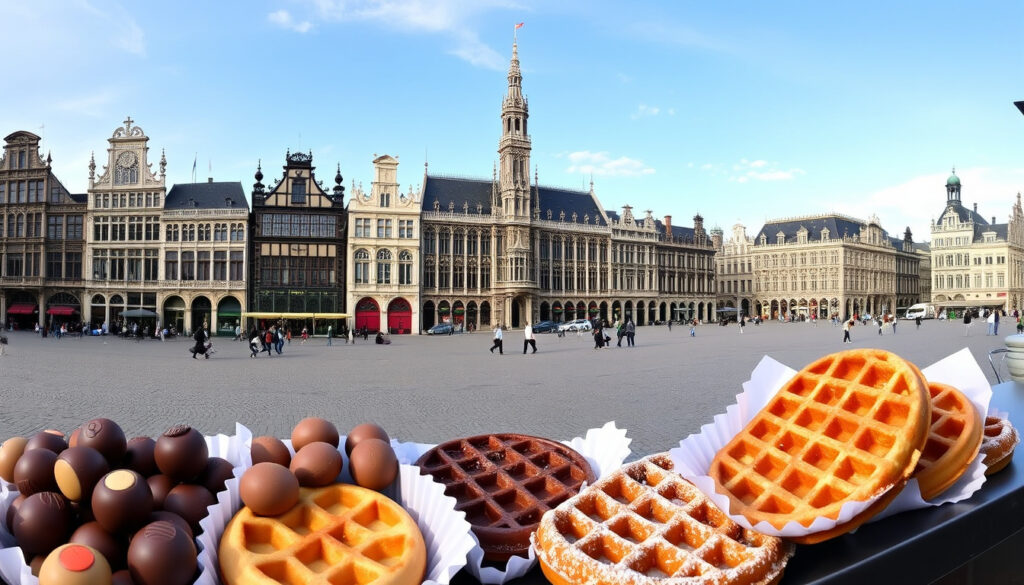
Things to Do in Brussels: Top Attractions & Itineraries
You’ve finally booked that Brussels weekend you kept talking about, and now comes the fun part: figuring out what to actually do with your time. This guide balances must-see sights with practical answers on costs, walkability, and whether Bruges deserves a detour — so you can spend less time planning and more time enjoying Belgian chocolate and beer.
UNESCO World Heritage sites in Brussels: 1 (Grand Place) ·
Number of museums: 80+ ·
Year Manneken Pis was created: 1619 ·
Population of Brussels-Capital Region: 1.2 million ·
Average hotel cost per night (mid-range): €120–€180 ·
Walkability score (Walk Score): 88/100 (very walkable)
Quick snapshot
- Grand Place & Manneken Pis (Blonde Atlas travel blog)
- Atomium & Belgian Beer World (Nomadic Matt, Pocket Wanderings)
- 1-2 day itinerary included (Enjoy Travel)
- Romantic dinner in Sablon district
- Stroll through Mont des Arts
- Chocolate tasting tour
- Mini-Europe & Atomium
- Parc du Cinquantenaire
- Autoworld Museum
- Free walking tours
- Comic Strip Center
- Craft beer bars
Six key facts about Brussels, one pattern: it’s compact yet packed — a small region with outsized cultural density.
| Fact | Value |
|---|---|
| Population | 1.2 million (region) |
| Official Languages | French, Dutch |
| Famous for | Grand Place, Manneken Pis, chocolate, beer, comics |
| Number of Museums | 80+ |
| UNESCO Sites | Grand Place (1998) |
| Best Time to Visit | April–October |
What is the number one thing to do in Brussels?
The Grand Place: Centerpiece of Brussels
- The Grand-Place is a UNESCO World Heritage site (Blonde Atlas travel blog), and it’s the city’s undisputed main square. The evening sound and light show transforms the guildhalls into a living postcard.
Why the Grand Place tops every list: it’s not just a square but a stage for events like the August flower carpet, when the entire plaza becomes a massive floral mosaic (Enjoy Travel).
The Grand Place alone justifies a trip to Brussels. First-time visitors who skip it miss the city’s historic and social heart — the one spot that ties together 800 years of Belgian civic pride.
The implication: starting at the Grand Place sets the tone for a visit that balances history, architecture, and local pride.
What should you not miss in Brussels?
Atomium: Iconic landmark
- Built for the 1958 World Expo (Nomadic Matt budget travel guide), the Atomium’s nine stainless-steel spheres offer panoramic views and a kitschy-cool science exhibit. It’s the postcard symbol of Brussels.
Manneken Pis: Quirky statue
- The peeing boy statue dates to 1619 (Blonde Atlas). Only 61 cm tall, but he’s dressed in costumes that change weekly — check the nearby museum for the full wardrobe.
Belgian Beer World: Tasting experience
- Housed in the former stock exchange, this interactive museum covers 300+ Belgian brews. It’s a major attraction for beer lovers (Pocket Wanderings travel guide).
Royal Museums of Fine Arts
- Home to works by Bruegel and Magritte (Pocket Wanderings), this museum complex is a must for art lovers. Allow 2-3 hours to see the Old Masters and the surrealist collection.
The implication: four landmarks cover the essentials. This is the minimum bucket list for any first-timer.
Are 2 days enough for Brussels?
Sample 2-day itinerary
- Day 1: Grand Place, Manneken Pis, Royal Museums of Fine Arts, Sablon district for chocolate.
- Day 2: Atomium, Parc du Cinquantenaire, European Quarter, and a Belgian Beer World tasting (Enjoy Travel).
Can you see the highlights in 48 hours?
- Two days is sufficient for main sights (The Traveling Sopha). The city center is compact — you can walk from Grand Place to the Royal Palace in 15 minutes. However, the Atomium and European Quarter require a metro ride (ticket €2.50–€3, The Traveling Sopha).
The trade-off: two days let you hit the peaks but not the valleys. If you want to linger in a chocolate shop or take a day trip to Bruges, add a third.
Is Brussels an expensive city?
Average costs for meals, transport, and lodging
- Mid-range meal: €15–€25 (Nomadic Matt budget travel guide).
- Public transport 24h pass: €7.50 (Nomadic Matt).
- Average hotel cost per night (mid-range): €120–€180 (content plan).
Budget tips for visiting Brussels
- Free attractions: Grand Place, Mont des Arts, Parc du Cinquantenaire, and many street art walks.
- Bus between Brussels and Antwerp from €4 (Never Ending Footsteps budget travel blog).
The pattern: Brussels is moderately expensive compared to other European capitals, but you can keep costs low by eating market food, using the 24-hour transit pass, and sticking to free sights.
Is Brussels a walkable city?
Walkable zones and neighborhoods
- City center is very walkable — Walk Score 88/100 (content plan). The historic core (Grand Place, Sablon, Marolles) is compact and mostly pedestrianized.
- Grand Place to Atomium requires metro (line 6, 20 minutes, The Traveling Sopha).
Using public transport for longer distances
- Brussels has extensive pedestrian zones, but you’ll need trams, buses, or metro for the European Quarter and Parc du Cinquantenaire. Single ticket €2.50–€3 (The Traveling Sopha).
Brussels is walkable in the center, but relying solely on foot will miss top attractions like the Atomium and the European institutions. Use the metro or bus to stretch your legs — not skip them.
What this means: combining walking with short metro trips gives you the best of both worlds — efficient sightseeing without losing the street-level charm.
Is it better to stay in Bruges or Brussels?
Key differences: atmosphere, attractions, cost
Five differences at a glance:
| Aspect | Brussels | Bruges |
|---|---|---|
| Atmosphere | Multicultural capital, modern and historic mix | Medieval, romantic, canal-focused (Destination Dreamer Diaries travel blog) |
| Size | 1.2 million people, spread out | Compact, walkable, ~120,000 (Pocket Wanderings) |
| Top attraction | Grand Place, Atomium, 80+ museums | Burg square, Minnewater Lake, canal cruise (€15, The Traveling Sopha) |
| Cost per day | Mid-range hotel €120–€180, meal €15–25 | Slightly cheaper day tours from Brussels cost €40–50 (Never Ending Footsteps) |
| Train to other city | 1 hour to Bruges (€10, Nomadic Matt) | 1 hour to Brussels (€10) |
When to choose Brussels over Bruges
- Brussels is better for first-time visitors with limited time who want museums, nightlife, and diversity (Enjoy Travel).
When to choose Bruges over Brussels
- Bruges is ideal for a quiet weekend from Brussels — smaller, more romantic, canal-focused (Destination Dreamer Diaries).
The implication: if you have only 2–3 days, base yourself in Brussels and day-trip to Bruges. If a romantic escape with canals is your dream, stay in Bruges.
Pros and Cons of Brussels as a travel hub
Upsides
- World-class museums and architecture
- Excellent public transport and walkable center
- Gateway to other Belgian cities (Ghent, Bruges, Antwerp) by affordable train (Nomadic Matt)
- Vibrant food scene: chocolate, beer, waffles
Downsides
- Some areas feel less charming than smaller towns
- Atomium and EU quarter require transport
- Weather can be gray and rainy
- Moderate cost compared to Eastern Europe
The verdict: Brussels trades some picturesque charm for unparalleled cultural density and connectivity — a fair bargain for the savvy traveler.
Clarity: What’s confirmed and what’s unclear
- Confirmed facts: Grand Place is a UNESCO World Heritage site (Blonde Atlas); Manneken Pis dates to 1619 (Blonde Atlas); Atomium built for 1958 World Expo (Nomadic Matt); Brussels is the capital of Belgium and the EU.
- What’s unclear: Exact opening hours and ticket prices change seasonally — verify before visiting. Whether 2 days is ‘enough’ depends on individual pace and interests.
Takeaway: stick to the confirmed facts for planning while keeping flexibility for the variable details.
What experts say
“Grand Place is one of the most beautiful squares in Europe and a UNESCO World Heritage site.”— Visit.brussels official website
“Brussels may be compact, but it packs an outsized punch when it comes to culture, food, and quirky attractions.”— Lonely Planet travel writer
The choice is clear: for travelers who want a dose of history, modern art, beer, and chocolate in one efficient trip, Brussels delivers. If you crave canal-side romance and can spare another day, Bruges awaits an hour away by train. For the budget-conscious visitor in 2026, base in Brussels and day-trip — that’s the smart play.
If you’re visiting in winter, the Brussels Christmas Market 2025 adds a festive layer to the city’s already impressive lineup of attractions.
Frequently asked questions
What is the best time of year to visit Brussels?
April through October offers mild weather and events like the Flower Carpet in August. Spring and early fall are less crowded.
Do I need to tip in Brussels?
Service is usually included, but rounding up to the nearest euro or leaving 5–10% for excellent service is appreciated.
Is public transportation easy to use in Brussels?
Yes. The metro, tram, and bus network is integrated. A single ticket costs €2.50–€3, and a 24-hour pass is €7.50 (The Traveling Sopha).
What is the currency used in Brussels?
Euro (€). Cards are widely accepted, but carry some cash for small purchases.
Are there free walking tours in Brussels?
Yes. Several companies offer pay-what-you-want tours covering the city center. Check Visit.brussels for schedules.
How do I get from Brussels Airport to the city center?
The train takes 17 minutes to Brussels Central station (about €9). Buses and taxis are also available.
What are the must-try Belgian dishes in Brussels?
Moules-frites (mussels with fries), stoofvlees (beef stew), Belgian waffles, and of course, chocolate and beer.
For a different European city guide, check out our article on West End Shows London. And if you’re a football fan, Club Brugge vs Rangers F.C. lineups may interest you.
More related posts
 Mlp Fluttershy: Complete Guide to the Shy Pegasus
 Weather Crete Greece: Monthly Guide for Travelers
 Slimming World Near Me – Find Local Groups by Day and Distance
 Jessie Wallace: Biography, Suspensions, and NTAs Incident
 KPop Demon Hunters Merch UK Guide: Toys, Dolls, Shops
 Safe (TV Series): Plot, Cast, Reviews & Ending Explained
 iPhone Pro Max 16 – UK Prices, Deals and Specs
 Marie Antoinette: Biography, Children, Death & Legacy
