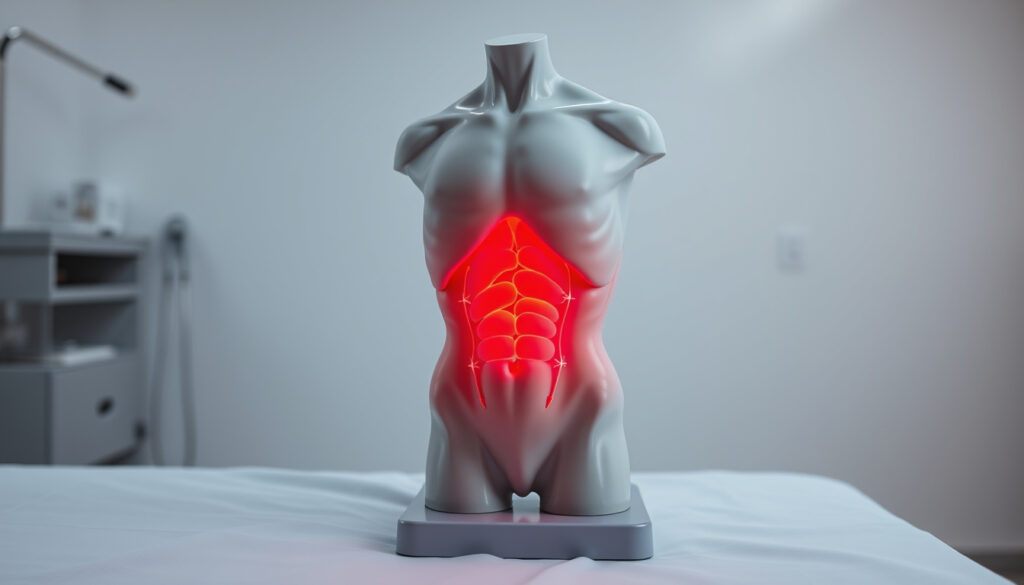
Pain Lower Left Abdomen: Causes in Males & Females
Sudden pain in the lower left abdomen forces a rapid mental triage—from harmless gas to surgical emergency, the spectrum is wide. The challenge is that the same location hosts organs for both digestion and reproduction, which means the list of possible causes splits sharply between males and females. This guide cuts through the noise: what actually sits in that corner of your belly, which causes are common, which demand urgent care, and what specific warning signs should trigger a call to your doctor or a trip to the ER.
Most Common Cause: Diverticulitis · Key Organs: Sigmoid colon, left ovary (females) · Female-Specific Causes: Gynecologic conditions · Red Flags: Severe pain, fever, vomiting
Quick snapshot
- Diverticulitis most common cause in lower left quadrant (Cleveland Clinic)
- Pain ranges from gas discomfort to serious conditions requiring surgery (Cleveland Clinic)
- Exact organ responsible cannot be identified without examination
- Symptom overlap between conditions requires professional diagnosis
- Fever over 100.4°F (38°C) with lower left pain demands urgent evaluation (Ubie Health)
- Vomiting combined with pain is a medical warning sign (Ubie Health)
- Pain persisting beyond 48 hours warrants a doctor’s visit
- Sudden severe symptoms may require emergency care
A handful of conditions account for the vast majority of lower left abdominal pain cases across all age groups and sexes.
The table below summarizes key anatomic and clinical data relevant to lower left abdominal pain.
| Label | Value |
|---|---|
| Primary Location | Lower left quadrant (below ribs to pelvis) |
| Top Cause | Diverticulitis (Cleveland Clinic) |
| Female Organs | Left ovary, fallopian tube, uterus |
| Male Organs | Sigmoid colon, descending colon, left ureter |
| Seek Help If | Pain persists over 48 hours or worsens |
| Emergency Signs | Fever, vomiting, blood in stool or urine (Ubie Health) |
What is lower left abdominal pain?
Lower left abdominal pain describes discomfort primarily located in the lower portion of the left side of the abdomen—the area bordered by the left lower ribs above, the midline of the abdomen to the right, and the pelvis below. The sensation varies widely: it can be dull and achy, sharp and stabbing, cramp-like, or a persistent pressure that waxes and wanes.
According to Medical News Today, causes range from benign gas buildup to inflammatory conditions requiring hospitalization, and the same location can signal problems in the digestive tract, urinary system, or reproductive organs depending on the patient’s sex and age.
Symptoms
- Dull ache or cramping in the lower left abdomen
- Sharp stabbing pains that come and go
- Bloating and visible abdominal distension
- Changes in bowel habits (diarrhea, constipation, or both)
Location
The pain typically centers in the left lower quadrant, though discomfort can radiate toward the hip bone, lower back, or up toward the ribs depending on the underlying cause. In females, pain may be felt deeper in the pelvis.
Duration
- Acute: sudden onset lasting hours to days, often requiring medical evaluation
- Chronic: recurring or persistent pain over weeks or months, warrants a doctor’s visit
Pain that comes and goes with changing intensity often signals a different category of problem than steady, worsening pain—and that distinction helps doctors narrow the diagnosis faster.
What organ is on the lower left abdomen?
The lower left abdomen houses several key structures, and knowing which organ might be involved helps frame the list of possible causes.
Digestive organs
- Sigmoid colon: The S-shaped section of the large intestine that connects to the rectum, prone to diverticula pouches that can become inflamed (Cleveland Clinic)
- Descending colon: The vertical portion of the large intestine that carries stool toward the rectum
- Rectum: The final section of the large intestine, storing stool before elimination
Female reproductive organs
- Left ovary: One of two reproductive glands that produce eggs and hormones, located on the left side of the pelvis
- Left fallopian tube: The channel connecting the ovary to the uterus, where ectopic pregnancy can occur (Providence Blog)
- Left broad ligament: Tissue supporting the uterus on the left side
Other structures
- Left ureter: The tube carrying urine from the left kidney to the bladder, where kidney stones can become lodged
- Left spermatic cord (males): Structure supporting the testicle, which can refer pain to the lower abdomen (Syracuse Hernia Center)
- Blood vessels, nerves, and lymph nodes throughout the abdominal wall and pelvis
The pancreas sits higher in the abdomen, but pancreatitis pain can radiate to the lower left side—especially when inflammation spreads. Providence Blog notes this pattern in patients with pancreatic involvement.
The implication: pancreatic involvement is easy to miss when focusing only on colon-related causes, particularly in patients with a history of gallbladder disease or heavy alcohol use.
What causes pain in the lower left side of a female?
Women face a broader range of potential causes because the lower left abdomen contains both digestive and reproductive organs. Ubie Health identifies conditions specific to the female reproductive system alongside shared digestive and urinary causes.
Digestive issues
- Diverticulitis: Inflammation or infection of pouches (diverticula) in the colon wall, causing steady, worsening pain on the lower left side, often with fever and nausea (Ubie Health)
- Irritable bowel syndrome (IBS): A common, innocuous cause of left-side pain driven by gas and abdominal sensitivity
- Constipation: Fecal impaction creating pressure and discomfort in the left colon
- Inflammatory bowel disease (IBD): Chronic inflammation of the digestive tract including Crohn’s disease and ulcerative colitis (Medical News Today)
- Gas buildup: Trapped intestinal gas causing cramping and sharp pains
Gynecologic causes
- Ovarian cysts: Fluid-filled sacs on the ovaries that can rupture, twist, or cause persistent pain
- Endometriosis: Tissue similar to the uterine lining growing outside the uterus, often on the left side, causing cyclic pain
- Ectopic pregnancy: A potentially life-threatening condition where a fertilized egg implants outside the uterus, typically in the fallopian tube (Providence Blog)
- Ovarian torsion: Twisting of the ovary that cuts its blood supply, causing sudden severe pain requiring emergency surgery
- Pelvic inflammatory disease (PID): Infection of the female reproductive organs
- Adenomyosis: Uterine lining growing into the muscular wall of the uterus
- Fitz-Hugh-Curtis syndrome: Inflammation of tissue surrounding the liver, often linked to PID
- Ovarian cancer: Less common but possible cause of persistent lower abdominal pain (Cleveland Clinic)
Urinary causes
- Kidney stones: Crystallized minerals passing through the ureter, causing wave-like pain radiating to the lower abdomen
- Urinary tract infection (UTI): Bladder infection causing pelvic pressure and burning with urination
Because gynecologic conditions can mimic digestive problems, women experiencing lower left pain that coincides with their menstrual cycle or includes unusual vaginal discharge should mention these details to their doctor—they could be the critical clue that shifts the diagnosis toward a reproductive cause.
What causes lower left abdominal pain in males?
Men’s lower left abdominal pain most often traces to the digestive tract, since the reproductive organs (prostate, testicles) sit outside the lower abdominal cavity. Medical News Today lists conditions shared by both sexes alongside those more commonly investigated in male patients.
Common male causes
- Diverticulosis and diverticulitis: The same colon pouches causing inflammation in women affect men with similar frequency, particularly after age 40
- Constipation: One of the most frequent causes of lower left abdominal discomfort in men, often linked to low fiber intake and dehydration
- Inguinal hernia: Tissue pushing through the abdominal wall in the lower abdomen, more common in males and causing pain that worsens with lifting or straining (Syracuse Hernia Center)
- Kidney stones: Wave-like pain originating in the back and radiating to the lower abdomen and groin
- Prostatitis: Inflammation or infection of the prostate gland, which can cause referred pain in the lower abdomen and pelvis
Differences from females
Male-specific causes focus less on reproductive organs within the abdomen and more on structural issues like hernias, urinary blockages, and prostate conditions. Cleveland Clinic guidance notes that men experiencing persistent lower left pain with urinary symptoms (difficulty urinating, blood in urine, or pain during ejaculation) should mention these specifically to their physician.
Men are less likely to have reproductive organs flagged as the source of lower left pain—but that also means doctors may miss testicular or prostate issues that refer pain to this region. Being explicit about urinary and sexual symptoms accelerates the right diagnosis.
What are the three red flags in abdominal pain?
Medical professionals use specific warning signs to identify abdominal pain requiring emergency evaluation. Ubie Health and Cleveland Clinic converge on a consistent set of red flags that should never be ignored.
Red flag symptoms
- Sudden severe pain: Pain that hits without warning and reaches maximum intensity quickly—sometimes described as the worst abdominal pain ever experienced
- Fever: Temperature exceeding 100.4°F (38°C) with abdominal pain suggests infection, while fever above 101°F (38.3°C) combined with severe pain in females indicates urgent evaluation (Ubie Health)
- Persistent vomiting: Inability to keep fluids down, especially when vomit contains blood or appears dark and coffee-ground like
When to seek help
- Inability to pass stool or gas with abdominal distension (possible bowel obstruction)
- Blood in stool (bright red or black, tarry stools)
- Signs of shock: fainting, rapid heartbeat, cold clammy skin, confusion
- Vaginal bleeding not related to a known menstrual cycle (females)
- Sudden pain with a rigid, board-like abdomen
Pancreatitis signs
Pancreatitis— inflammation of the pancreas—can cause pain radiating to the lower left abdomen, particularly when the pancreatic tail is involved. According to Providence Blog, this condition typically presents with severe pain radiating to the back, nausea, vomiting, and fever. The pain often worsens after eating fatty foods and may feel more intense when lying flat.
The pattern: severe upper abdominal pain radiating downward, combined with nausea and fever, warrants consideration of pancreatic involvement—not just left-sided colon issues.
Any combination of severe pain plus fever plus vomiting in the lower left abdomen crosses the threshold for emergency care. Don’t wait to see if symptoms improve—these three together indicate a possible serious infection or structural problem requiring immediate evaluation.
Confirmed facts
- Diverticulitis is the most common cause of lower left abdominal pain (Cleveland Clinic)
- Pancreatitis can radiate to the lower left side (Providence Blog)
- Female reproductive organs (ovary, fallopian tube) sit in this region
- Fever over 100.4°F (38°C) combined with lower left pain requires urgent evaluation (Ubie Health)
What remains unclear
- Exact organ responsible cannot be identified without physical exam and imaging
- Whether pain originates in colon, urinary tract, or reproductive organs requires professional assessment
“Pain specifically in the lower left abdomen is most often related to diverticulosis and diverticulitis in both men and women.”
— Cleveland Clinic
“Lower left abdominal pain in females can range from harmless gas to serious conditions like ectopic pregnancy or ovarian torsion.”
— Ubie Health
Summary
Lower left abdominal pain sits at the intersection of digestive, urinary, and— for females—reproductive health. The most common culprit across both sexes is diverticulitis, but women must also consider gynecologic emergencies like ectopic pregnancy and ovarian torsion, while men should watch for hernia complications and prostate involvement. The red flag triad—severe pain, fever, and vomiting—demands immediate medical attention regardless of suspected cause. For patients tracking persistent discomfort or unexplained changes in bowel habits, understanding related abdominal anatomy provides useful context for conversations with healthcare providers.
Related reading: Where Is the Liver Located? Anatomy, Pain & Functions
Frequently asked questions
Why does lower left abdominal pain come and go?
Intermittent pain often results from conditions like IBS, gas buildup, or ovarian cysts that flare and subside. Diverticulitis typically causes steady, worsening pain rather than intermittent cramps. If the pattern persists for more than two weeks, see a doctor to identify the underlying cause.
Is lower left abdominal pain serious?
It depends on accompanying symptoms. Pain alone may be harmless (gas, constipation), but when combined with fever, vomiting, blood in stool, or inability to pass gas, it indicates a potentially serious condition requiring emergency evaluation.
Can lower left pain be kidney stones?
Yes. Kidney stones traveling through the left ureter cause wave-like pain that radiates from the back around to the lower abdomen. The pain comes in intense waves and may include blood in urine. A doctor can confirm with imaging.
Does lower left pain indicate cancer?
While ovarian cancer (in females) and colon cancer can cause persistent lower abdominal pain, cancer is far from the most common explanation. Cleveland Clinic notes it as a possible but less frequent cause. Pain from cancer typically persists and worsens over time rather than coming and going.
How to relieve lower left abdominal pain at home?
For suspected gas or constipation: walk gently, apply a heating pad, drink warm fluids, and increase fiber intake gradually. Over-the-counter simethicone can help with gas. Avoid eating large meals until pain subsides. If pain persists beyond 24 hours, avoid self-treatment and consult a doctor.
When is lower left abdominal pain an emergency?
Seek emergency care immediately if you experience: sudden severe pain that peaks quickly, fever over 100.4°F (38°C), vomiting that won’t stop, fainting or signs of shock, blood in stool or vomit, inability to pass gas with abdominal swelling, or (in females) unusual vaginal bleeding with pain. Ubie Health identifies these as the key warning signs requiring urgent evaluation.
Does lower left pain affect pregnancy?
Pregnant women experiencing lower left abdominal pain should contact their obstetrician immediately. Providence Blog warns that ectopic pregnancy—a fertilized egg implanted outside the uterus—can cause severe pain and is life-threatening without treatment. Round ligament pain and Braxton-Hicks contractions also cause abdominal discomfort during pregnancy but require professional assessment to rule out emergencies.
Can constipation cause sharp lower left pain?
Yes. Severe constipation creates pressure buildup in the colon, particularly the sigmoid colon on the lower left side, producing cramping or sharp pains that may feel alarming but typically resolve once the bowel moves. Medical News Today lists constipation as one of the most common benign causes of lower abdominal discomfort. Increasing fluid intake and fiber usually prevents recurrence.
More related posts
 Jeff Bezos’ Ex-Wife MacKenzie Scott: Net Worth & Donations
 Heather Mills: Bio, Divorce, Accident & Net Worth
 Lilo & Stitch (2025 Film): Release Date, Cast, Trailer, Reactions
 Po Box 189 Huddersfield HD8 1DY – Lowell Debt Letters Guide
 Janis Joplin: Life, Death, Songs & Lasting Legacy
 Free TV Licence for Pensioners Ireland: Eligibility & How to Apply
 Tennis Shoes vs Sneakers vs Running Shoes: Key Differences
 What Does SMO Mean on Snapchat: Shout Me Out Slang Guide
