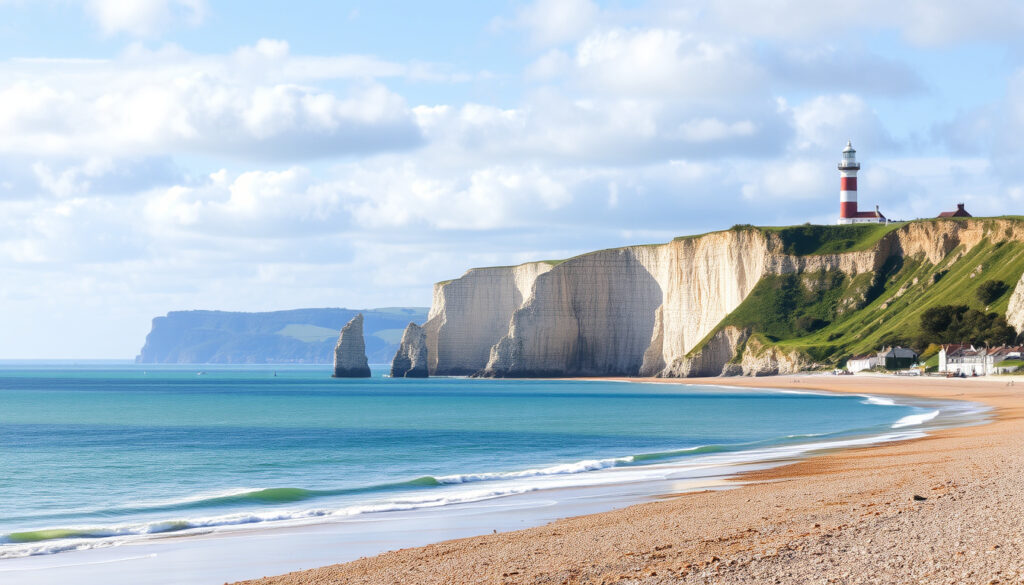
Things to Do in Isle of Wight – Attractions & Hidden Gems
A small island just off England’s south coast packs an extraordinary variety of things to do — from dinosaur fossils to royal palaces, from family theme parks to quiet coves. Whether you’re planning a weekend trip or a longer stay, the Isle of Wight rewards visitors who come prepared, and this guide covers the top attractions, the best times to visit, and a few lesser-known spots that locals love.
Isle of Wight area: 384 km² · Permanent population: 140,000 · Number of beaches: 30+ · Average recommended visit duration: 3 to 5 days
Quick snapshot
- The Needles are a major attraction (Visit Isle of Wight)
- Osborne House was Queen Victoria’s holiday home (Visit Isle of Wight)
- Isle of Wight has over 30 beaches (Frugal Mum)
- Best weather months are May to September (Isle of Wight Guru)
- Whether ‘six wonders’ or ‘seven wonders’ is the official count – both appear in search
- Exact visitor numbers for 2026 are not yet available
- Whether September is still considered peak season (some sources vary)
- Whether Blackgang Chine is definitively the UK’s oldest amusement park (source confidence varies)
- Whether the Isle of Wight Donkey Sanctuary entry is completely free year-round (some reviews mention donation requests)
- May to September: ideal weather and most attractions open (Visit Isle of Wight)
- June: Isle of Wight Festival draws crowds (Visit Isle of Wight)
- August: peak season – highest prices, busiest beaches (Frugal Mum)
- Plan a 3-day itinerary covering The Needles, Osborne House, and Carisbrooke Castle (Visit Isle of Wight)
- Book accommodation early for summer months – especially June and August (Frugal Mum)
A quick look at the island’s size and key numbers gives you a sense of scale before diving into where to go and what to see.
| Detail | Value |
|---|---|
| Island size | 384 km² (23 miles long, 13 miles wide) |
| Highest point | St. Boniface Down (241 m) |
| Population | ~140,000 (swells to over 1 million in summer) |
| Number of beaches | 30+ |
| County town | Newport |
| Famous attractions | The Needles, Osborne House, Carisbrooke Castle |
What not to miss on the Isle of Wight?
First‑time visitors often ask which attractions deserve priority. The answer depends partly on whether you’re travelling with kids, as a couple, or on a budget, but a handful of landmarks stand out across the board.
Top attractions for first-time visitors
- The Needles and Alum Bay – the iconic chalk stacks and coloured sand cliffs. The Landmark Attraction includes a chairlift down to the beach, a glass‑making studio, and boat trips (Visit Isle of Wight).
- Carisbrooke Castle – a medieval fortress where visitors can walk the battlements, meet the resident donkeys, and dress up as knights. English Heritage site (Frugal Mum).
- Osborne House – Queen Victoria’s seaside retreat with opulent rooms, terraced gardens, and the ornate Durbar Wing (Visit Isle of Wight).
- Blackgang Chine – the UK’s oldest amusement park, set in a dramatic coastal ravine. Rides and fantasy zones for children (Frugal Mum).
- Shanklin Chine – a wooded gorge with a waterfall and gentle walking path, lit at night in summer.
Family-friendly must-sees
Tapnell Farm Park offers animal encounters and indoor play zones, while the Isle of Wight Donkey Sanctuary lets children meet over 100 donkeys and miniature ponies for free (Isle of Wight Guru). Robin Hill Adventure Park adds a high‑rope course and roller glider for older kids (Visit Isle of Wight).
Hidden gems and unusual activities
- Fossil hunting at Yaverland Beach and Brook Bay – free and popular with families (Frugal Mum).
- The Isle of Wight Donkey Sanctuary (free entry).
- Quarr Abbey – a working Benedictine monastery open for quiet exploration (Visit Isle of Wight).
- Horse riding on beaches and countryside bridleways.
Free things to include
Compton Beach, Freshwater Bay, and Steephill Cove are all free to access. The Cowes Maritime Museum and Quay Arts Centre galleries are also free (Visit Isle of Wight).
What are the six wonders of the Isle of Wight?
You’ll occasionally see references to the “Six Wonders of the Isle of Wight”, a loose marketing list that still appears on some tourism pages. The official count, however, can also be found as “Seven Wonders”, creating some confusion.
The official list of wonders
The usual six wonders are:
- The Needles – the three chalk stacks at the western tip.
- Alum Bay – multi‑coloured sandstone cliffs next to The Needles.
- Carisbrooke Castle – historic motte‑and‑bailey castle in the centre of the island.
- Osborne House – Queen Victoria’s summer residence.
- Shanklin Chine – the oldest attraction on the island (opened 1817).
- Blackgang Chine – the UK’s oldest amusement park, founded in 1843 (Frugal Mum).
A seventh “wonder” sometimes added is the Isle of Wight Steam Railway, which is popular with families and offers free travel for children under five (Frugal Mum).
History behind the wonders
The “wonders” label was popularised in local marketing literature in the late 20th century. There is no official government or UNESCO designation. Both the six‑ and seven‑wonder versions are used interchangeably by visitors and locals.
Seven wonders variation
Search results sometimes list a seven‑wonder set that includes the Steam Railway or Ventnor Botanical Gardens. Neither version has a definitive source, so treat the list as a helpful starting point rather than a fixed itinerary.
Visitors who try to check off all “wonders” in one day will likely feel rushed. Instead, pick three and pair them with free activities – you’ll see more of the island’s character.
How many days are enough to visit the Isle of Wight?
The most common recommendation from tourism sources is 3 to 5 days, but you can cover the headline attractions in a shorter trip if you plan carefully.
Weekend trip (2–3 days)
A two‑day trip works well for couples or solo travellers. Day 1: The Needles and Alum Bay (morning), then a walk on Freshwater Beach (afternoon). Day 2: Osborne House (morning), Carisbrooke Castle (afternoon). This leaves little room for spontaneous stops.
Extended stay (4–5 days)
Four to five days allow a relaxed pace plus a day for the south coast beaches (Ventnor, Shanklin) and an evening in Cowes. It also gives time for a boat trip around the island or a visit to the Isle of Wight Donkey Sanctuary without rushing.
Sample 3-day itinerary
Away Resorts suggests 3–4 days as the sweet spot (Visit Isle of Wight). A typical three‑day plan:
- Day 1: Arrive in the morning, visit The Needles and Alum Bay, afternoon at Tapnell Farm Park.
- Day 2: Osborne House (allow 3–4 hours), then Cowes for lunch and harbour walks.
- Day 3: Carisbrooke Castle and the Donkey Sanctuary, plus an afternoon at Sandown Beach.
Tips for maximizing your time
- Book ferry tickets in advance – same‑day fares can be twice the price.
- If you have only two days, skip Blackgang Chine (it’s a half‑day trip) and focus on the western half of the island.
- Allow at least 3–4 hours for Osborne House to avoid rushing.
- Start each day early to make the most of daylight, especially in shoulder seasons.
A two‑day trip means you’ll miss the charming villages of Yarmouth and Godshill, which deserve at least a half‑day each. If you can stretch to three days, you’ll see the island without clock‑watching.
What is the best month to visit the Isle of Wight?
The island is a year‑round destination, but weather, crowds, and opening hours vary significantly by season.
Weather and crowds by month
May to September offers the most reliable sunshine and warm temperatures (Visit Isle of Wight). July and August are the busiest, with accommodation prices at their peak. September sees a drop in visitor numbers while still delivering pleasant weather – ideal for couples and older travellers.
Best months for festivals and events
June is dominated by the Isle of Wight Festival, a major music event that attracts tens of thousands. If you want to attend, book a year ahead. August brings the Cowes Week sailing regatta, which turns the harbour into a lively spectacle.
Off-peak advantages
Visiting in late May or early June (before school holidays) gives you warm days, lower prices, and quieter beaches. April and October are cooler but still enjoyable for walking and fossil hunting, though some attractions like The Needles Landmark Attraction shorten their hours.
Best month for families
For families, late May or early September strike the best balance: good weather, most attractions open, and fewer crowds. August is fine if you don’t mind sharing the beaches, but book everything – ferries, accommodation, and dining – well in advance.
What is the prettiest part of the Isle of Wight?
Beauty is subjective, but certain areas are consistently mentioned by visitors and locals alike.
Beaches: The best sands
Shanklin Beach – golden sand, shallow water, and the backdrop of the old village. Ventnor Beach – sheltered by cliffs, with a subtropical feel. Freshwater Bay – a crescent of pebble and sand backed by grassy cliffs, popular with walkers. Compton Bay – wide, wild, and dog‑friendly all year.
Scenic areas for couples
The path from Freshwater Bay to the Tennyson Down viewpoint offers sweeping coastal views. Cowes has a quieter side around Egypt Point where sunset walks are popular. The south coast cliffs between Ventnor and St. Catherine’s Point are dramatic and less crowded.
Villages and countryside
Godshill – a picture‑postcard village with thatched cottages and a medieval church. Brading – Roman villa and a quaint high street. Yarmouth – historic harbour with narrow streets and independent shops.
West Wight vs South Wight
West Wight (The Needles, Freshwater, Totland) is wild and wind‑swept. South Wight (Ventnor, St. Lawrence, Niton) is greener, with a microclimate that supports subtropical plants. Both have their fans; the choice depends on whether you want exposed coastal drama or sheltered coves.
The stretch between Ventnor and Shanklin is often called the “English Riviera” for its mild climate. If you have one day for scenery, drive the Military Road from Freshwater to Brighstone – it’s the island’s most scenic road.
What is the prettiest town on the Isle of Wight?
Four towns regularly top visitor polls, each with a distinct character.
Shanklin: Beach and old town
Shanklin is often called the prettiest town on the island (Visit Isle of Wight). The combination of a fine sandy beach, the Old Village with its thatched cottages, and Shanklin Chine gives it a strong identity. It’s a solid base for families.
Ventnor: Subtropical gardens
Ventnor has a microclimate that supports palm trees and bougainvillea. The Ventnor Botanic Garden is free and offers 22 acres of exotic plants. The steep streets and pastel‑coloured houses give it a Mediterranean feel.
Cowes: Sailing and waterfront
Cowes is split into East and West by the Medina River. It’s the island’s sailing capital with a bustling waterfront, yacht clubs, and maritime museums. Best suited for couples and sailing enthusiasts.
Yarmouth: Historic harbor
Yarmouth is the smallest town on the island but packs charm into its narrow streets and quayside. It’s a stop for the Isle of Wight Ferry from Lymington and has several excellent seafood restaurants.
Ryde: Family-friendly seafront
Ryde has the longest pier in the UK (half a mile), a wide sandy beach, and a family‑friendly esplanade with play areas and amusements. It’s a good choice for families arriving by hovercraft or catamaran from Portsmouth.
Confirmed facts
- The Needles are a major attraction (Visit Isle of Wight)
- Osborne House is Queen Victoria’s former holiday home (Visit Isle of Wight)
- Isle of Wight has over 30 beaches (Frugal Mum)
- Best weather months are May to September (Isle of Wight Guru)
What’s unclear
- Whether ‘six wonders’ or ‘seven wonders’ is the official count – both appear in search
- Exact visitor numbers for 2026
- Whether the Isle of Wight Steam Railway qualifies as a “wonder” (some lists include it, others do not)
The confirmed facts provide a reliable foundation for trip planning, while the uncertainties highlight where further local research may help.
Quotes from visitors and officials
“The Isle of Wight has something for everyone – from toddlers to grandparents.”
Visit Isle of Wight (official tourism board)
“We spent three days and felt we only scratched the surface. The Needles alone are worth the trip.”
TripAdvisor traveler, 2025
“The Donkey Sanctuary is a hidden gem – my kids loved it and it didn’t cost a penny.”
TripAdvisor traveler, 2024
These quotes reflect consistent visitor satisfaction and underscore the island’s broad appeal.
Summary
The Isle of Wight packs a surprising amount of variety into its compact size. Whether you’re chasing fossils, royal history, or just a good beach day, the key is to plan around your travel style and the season. For families planning a holiday, the choice is clear: book for late May or early September to avoid crowds, or embrace the August buzz if you don’t mind sharing the beaches.
vickyflipfloptravels.com, youtube.com, expedia.com, tripadvisor.com
For a deeper dive into the island’s location, festivals, and travel logistics, check out this comprehensive Isle of Wight guide.
Frequently asked questions
Can I visit the Isle of Wight in one day?
It’s possible but rushed. You can take a early ferry, visit The Needles and one other attraction, then return. You’ll miss most of the island’s character.
Is the Isle of Wight expensive?
Accommodation and ferry tickets can be pricey in peak season. However, many attractions are free – beaches, the Donkey Sanctuary, Ventnor Botanic Garden – so you can control costs.
What are the best free attractions on the Isle of Wight?
Compton Beach, Freshwater Bay, Steephill Cove, Tennyson Down walks, Cowes Maritime Museum, Quay Arts Centre, and the Isle of Wight Donkey Sanctuary.
Do I need a car on the Isle of Wight?
Not essential, but a car gives you flexibility. Buses connect main towns, and taxis are available. Families with young children will find a car easier.
What is the best way to get to the Isle of Wight?
Car ferries from Portsmouth (Fishbourne), Lymington (Yarmouth), and Southampton (East Cowes). Hovercraft from Portsmouth to Ryde in 10 minutes. Passenger catamarans also run from several ports.
Are there dog-friendly beaches on the Isle of Wight?
Yes, many beaches allow dogs year‑round, including Compton Bay, Freshwater Bay, and parts of Sandown. Check individual beach notices for seasonal restrictions.
Is the Isle of Wight good for a family holiday?
Excellent – the island has theme parks, animal sanctuaries, safe beaches, and plenty of free outdoor activities. It’s a classic British family destination.
What is the most romantic spot on the Isle of Wight?
Sunset at Freshwater Bay, a walk through Ventnor Botanic Garden, or a harbour dinner in Cowes are popular choices. Alum Bay at dusk is also stunning.
More related posts
 What Does Skin Cancer Look Like – Early Signs and Pictures
 Leeds Bradford Airport Arrivals – Live Status Today
 How to Cook Basmati Rice Perfectly: Stovetop, Cooker Tips
 HIV Symptoms in Women: Early Signs, Stages & Testing
 Ms. Rachel: Net Worth, Family, and Speech Therapy Impact
 Tennis Shoes vs Sneakers vs Running Shoes: Key Differences
 Nike Dri-FIT Shorts – Buyer’s Guide for Men, Women and Kids
 Charles II: The Restoration King and the Inbred Spanish Monarch
