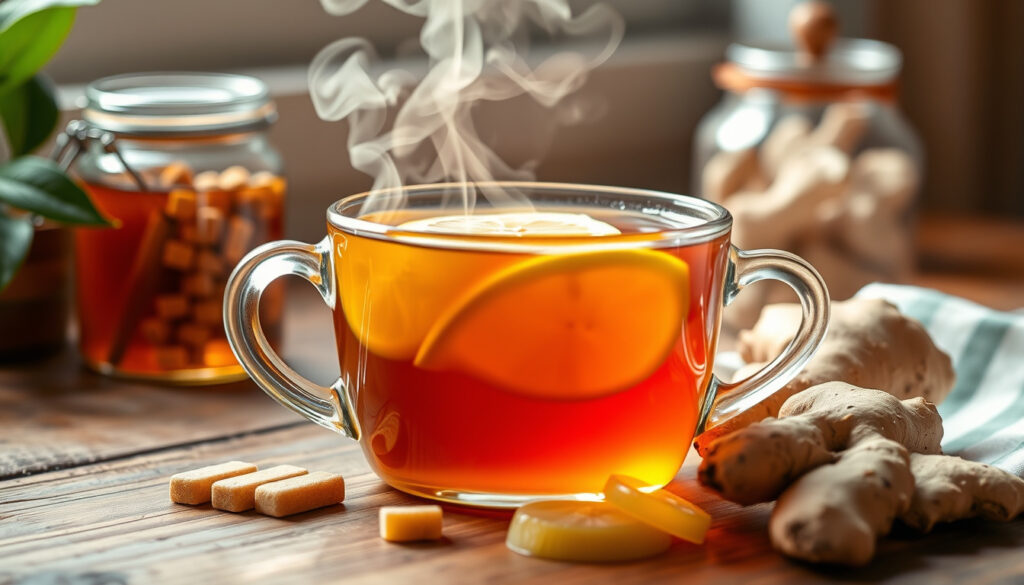
Sore Throat When Swallowing: Causes & Fast Remedies
Every time you swallow, it feels like gravel scraping the wrong way down your throat. Pain when swallowing is one of the most common reasons people seek medical advice, yet most sore throats clear up on their own without a trip to the clinic. This article cuts through the confusion: why your throat hurts without a fever, when you actually need a doctor, and which home remedies actually bring relief.
Annual occurrences per person: 2-3 · Most common cause: viral infections · Typical duration: 3-7 days · Strep throat share: up to 30% in children · Redness location: back of throat
Quick snapshot
- Most resolve within a week without treatment (CDC Sore Throat Basics)
- Viruses cause most sore throats, not strep (CDC Sore Throat Basics)
- Saltwater gargle (½ tsp salt per cup) eases inflammation (Cleveland Clinic)
- Exact trigger when no fever and no other symptoms present
- Which non-infectious causes need lifestyle changes vs. medical care
- Specific remedy efficacy varies person to person
- Viral: 5-7 days without antibiotics (Mayo Clinic)
- Strep with antibiotics: improves in 24 hours, resolves in 2-7 days (GoodRx)
- Self-resolving: 90% of viral cases improve within a week (CDC Sore Throat Basics)
- Most sore throats improve with home care alone (CDC Sore Throat Basics)
- Severe pain or week-long symptoms warrant a doctor visit (CityMD)
- Strep confirmed by rapid test leads to antibiotic prescription (CDC Sore Throat Basics)
The table below consolidates the core data points about sore throat patterns and treatment needs.
| Fact | Detail |
|---|---|
| Most frequent in | cold/flu season |
| Pain trigger | swallowing |
| Self-resolves | 90% of viral cases |
| Antibiotics needed | 15-30% bacterial |
How do I fix a sore throat that hurts when I swallow?
Swallowing stretches inflamed tissue, which is why that sip of water or bite of toast can sting more than the sore throat itself. The good news: most people get relief from remedies they already have at home.
Home remedies
- Suck on ice chips, popsicles, or lozenges for temporary numbing (children under 5 should avoid lozenges due to choking risk per the CDC Sore Throat Basics)
- Gargle warm saltwater: ½ teaspoon salt per 1 cup water, swish for 15-30 seconds, then spit (Cleveland Clinic)
- Honey has natural anti-inflammatory properties that coat and soothe the throat (Penn State Health News)
- Stay hydrated with water, herbal tea, or clear broth
- Run a humidifier to add moisture to dry indoor air
- Eat soft foods like yogurt, applesauce, and mashed potatoes to avoid aggravating the throat
Over-the-counter options
- Acetaminophen, ibuprofen, or naproxen reduce pain and inflammation (Cleveland Clinic)
- Throat sprays with phenol or benzocaine provide topical numbing
- Throat lozenges with menthol or honey offer short-term relief
When to see a doctor
- Sore throat lasting longer than a week or severe pain with swallowing warrants medical evaluation (CityMD)
- Signs that need prompt care include difficulty breathing or talking, visible abscess or swelling at the back of the throat, or a new drooling issue (which can signal an airway concern)
Why does my throat hurt when I swallow but I’m not sick?
Not every sore throat comes with a runny nose, cough, or fever. Irritants, allergies, and environmental factors can all cause swallowing pain without triggering your immune system’s typical sick response.
Non-infectious causes
Viruses cause the majority of sore throats, but they are not the only trigger. Sore throats without fever can stem from a range of non-infectious sources including allergies, acid reflux, dry air, or vocal strain. CityMD
Allergies and irritants
- Postnasal drip from seasonal allergies coats the back of the throat with mucus, causing irritation and soreness
- Smoke, pollution, strong chemicals, or air fresheners can inflame throat tissue without triggering other cold symptoms
- Dry air—particularly common in heated buildings during winter—dries out the throat lining, making it feel raw and sore
Acid reflux
- GERD (gastroesophageal reflux disease) causes stomach acid to rise and irritate the throat, often worsening after meals
- LPR (silent reflux) presents as throat soreness without the typical heartburn sensation, making it easy to overlook
If your sore throat feels worse right after eating or when you lie down flat, and you have no other cold symptoms, acid reflux is a likely culprit. Allergies typically cause a sore throat that builds up seasonally or after exposure to specific triggers.
Why do I have a sore throat but no fever? Causes and treatments.
Adults commonly experience sore throats without a fever, and most of the time this is not a sign of anything serious. Understanding the cause helps you choose the right approach.
Viral vs. other
Most sore throats are caused by viruses—the same ones behind colds and flu. These viruses are not strep throat and do not respond to antibiotics. Viral sore throats go away in 5 to 7 days and typically need only rest, fluids, and symptom management rather than prescription medication. Mayo Clinic
Non-infectious causes like dry air, allergies, acid reflux, and vocal strain account for many fever-free sore throats. These require lifestyle adjustments rather than medication.
Treatments without antibiotics
- Rest your voice—avoid shouting, singing, or talking loudly for extended periods
- Stay hydrated to keep throat tissue moist
- Gargle saltwater for inflammation relief
- Use a humidifier, especially in dry climates or during winter
- Avoid known irritants like cigarette smoke, strong perfumes, or pollution
- Manage allergies with antihistamines or nasal irrigation
- Control acid reflux with smaller meals, avoiding lying down after eating, and possibly antacids
What is a red flag for a sore throat?
Most sore throats are harmless and resolve on their own, but certain symptoms signal that you should seek medical care sooner rather than later.
Severe symptoms
- Difficulty breathing, tightness in the chest, or feeling like your throat is closing—these require emergency care
- Severe pain that makes it impossible to swallow liquids or saliva
- Visible swelling at the back of the throat or uvula that is pushing to one side
- A new rash or hives accompanying the sore throat (could indicate scarlet fever from strep)
- Rigors, shaking chills, or high fever spikes alongside throat pain
Duration concerns
- Sore throat lasting longer than a week without improvement warrants a doctor’s visit
- Symptoms that improve briefly then return worse often need prescription treatment
- Persistent hoarseness or voice changes lasting more than two weeks should be evaluated
Swollen glands in the neck that feel hard or tender to the touch, especially if accompanied by fever or difficulty turning your head, can indicate a bacterial infection requiring antibiotics.
The implication: if you experience breathing difficulty or cannot swallow fluids, skip home care and seek emergency evaluation immediately.
How to tell if a sore throat is viral or bacterial?
Distinguishing between viral and bacterial causes matters because antibiotics only work against bacteria—and using them for viral infections contributes to resistance.
Strep symptoms
Strep throat is caused by group A Streptococcus bacteria and accounts for only about 10% of sore throat cases. University of Rochester Medicine
- Severe throat pain that comes on quickly without the usual cold symptoms
- Pain when swallowing with visible white patches or streaks of pus on the tonsils
- Tonsils that are swollen and bright red
- Swollen lymph nodes in the neck that feel tender
- No cough or runny nose—strep rarely causes upper respiratory symptoms
- Fever, headache, body aches, and sometimes a fine red rash on the chest
Testing needs
Because symptoms overlap, a rapid strep test or throat culture is the only way to confirm strep. CityMD
- Rapid antigen tests provide results within minutes at most clinics
- If the rapid test is negative but strep is still suspected, a throat culture may follow
- Strep is more common in children than adults and spreads easily in schools and households
- If strep is confirmed, a 10-day course of antibiotics (usually penicillin or amoxicillin) is prescribed
- Symptoms typically improve within 24 hours of starting antibiotics
- Full recovery takes 2-7 days even with antibiotics—completing the full course is essential
Antibiotics do nothing for viral sore throats. Most sore throats resolve within one week without treatment, which means most of the time your body will heal itself with basic comfort measures.
Steps to treat a sore throat when swallowing
Follow these steps in order—most people only need the first few to find relief.
- Assess the symptoms. Check for fever, cough, congestion, white patches, or swollen glands. No fever with mild pain and no other alarming signs means home care is appropriate.
- Stay hydrated. Sip water, herbal tea, or clear broth throughout the day. Avoid citrus juices or acidic drinks that sting inflamed tissue.
- Soothe with home remedies. Gargle warm saltwater (½ teaspoon per cup) twice daily. Suck on ice chips or lozenges. Add honey to warm tea for an anti-inflammatory effect.
- Manage pain. Take acetaminophen, ibuprofen, or naproxen as directed for pain and inflammation. Throat sprays offer targeted relief.
- Add moisture. Use a humidifier in your bedroom, especially if the air is dry. This prevents throat tissue from drying out overnight.
- Rest your voice. Avoid talking loudly, singing, or whispering excessively. Give your vocal cords a break.
- Try soft foods. Eat yogurt, applesauce, mashed potatoes, or soup. Avoid rough textures like chips or toast that scrape sore tissue.
- Monitor for one week. Most viral sore throats improve within 5-7 days. If pain worsens after day 3-4 or persists beyond a week, schedule a medical visit.
- Seek care if needed. See a doctor if you have difficulty breathing, high fever, a visible abscess, a new rash, or cannot swallow fluids.
Confirmed facts vs. rumors
Based on current medical evidence from major health institutions, here is what is established versus what remains unclear.
Confirmed facts
- Viruses cause most sore throats, not bacteria (CDC)
- Viral sore throats resolve in 5-7 days without antibiotics (Mayo Clinic)
- Strep accounts for about 10% of cases and is confirmed by testing (University of Rochester)
- Saltwater gargle with ½ teaspoon per cup reduces inflammation (Cleveland Clinic)
- Honey has anti-inflammatory properties for throat pain (Penn State Health News)
- Lozenges should not be given to children under 5 due to choking risk (CDC)
What remains unclear
- Exact trigger in isolated sore throat without any other symptoms
- Which non-infectious causes need lifestyle intervention versus medical referral
- How often non-bacterial causes like LPR go undiagnosed
- Precise remedy efficacy rankings across different studies
What doctors say
A sore throat caused by a virus goes away on its own in 5 to 7 days and does not need treatment.
— Mayo Clinic (medical institution)
Most sore throats are caused by viruses. These viruses are not strep throat.
— CDC Sore Throat Basics (U.S. public health agency)
A sore throat without a fever can be caused by a number of things, from allergies and dry air to acid reflux and vocal strain.
— CityMD (urgent care provider)
Strep throat is caused by a bacterial infection, called group A streptococcus, which causes only about 10% of cases of sore throat.
— University of Rochester Medicine (academic medical center)
For most people, a sore throat that hurts when swallowing is an uncomfortable but short-lived condition. The overwhelming majority resolve on their own within a week, and simple home care—hydration, warmth, saltwater gargles, and rest—is often all that is needed to get through it comfortably. The real question is not whether the pain is annoying: it is whether the underlying cause needs medical attention. If swallowing is so painful that you cannot take fluids, if you have trouble breathing, or if symptoms persist beyond a week, a quick visit to a clinician can rule out strep or another condition that requires prescription treatment. For everyone else, stock up on honey and warm water, and let your throat heal.
Related reading: Can I Take Two Fexofenadine 180 mg – Dosage Limits and Safety Guide · How to Remove Ear Wax – Safe NHS Methods
ubiehealth.com, medriteurgentcare.com, bassmedicalgroup.com, afcurgentcare.com, medicalnewstoday.com
Painful swallowing known as odynophagia disrupts daily tasks for millions, with causes remedies and doctor advicedetailing common triggers alongside proven remedies and key warning signs.
Frequently asked questions
What kills a sore throat fast?
OTC pain relievers like ibuprofen or acetaminophen work quickly to reduce pain. For a faster local effect, gargle warm saltwater (½ teaspoon per cup), suck on ice chips, or use a throat spray with benzocaine. These provide temporary relief while your throat heals over 5-7 days.
What are 5 symptoms of strep throat?
Five key symptoms are: sudden severe throat pain, pain when swallowing, white patches or pus on the tonsils, swollen and red tonsils, and swollen tender lymph nodes in the neck. Strep typically does not include cough or runny nose.
Can a sore throat be the only symptom of a virus?
Yes. Viral pharyngitis sometimes causes throat soreness as the primary or only symptom, particularly in adults. This is why testing is valuable when strep is suspected—the symptoms alone are not conclusive.
What kills a sore throat fast overnight?
No remedy cures a sore throat overnight, but you can manage symptoms for better sleep: use a humidifier, take ibuprofen before bed, gargle saltwater, and stay upright rather than lying flat. Most viral sore throats need 5-7 days to fully resolve.
What is sore throat medicine?
Sore throat medicine usually refers to OTC pain relievers (acetaminophen, ibuprofen, naproxen) or topical treatments (throat sprays, lozenges, gargle solutions). Prescription antibiotics treat bacterial strep only—never viral sore throats.
What is a sore throat remedy?
A sore throat remedy is any treatment that soothes pain and supports healing: saltwater gargles, honey in warm tea, ice chips or popsicles, humidified air, soft foods, rest, and OTC pain relievers. Most remedies address symptoms rather than the underlying cause.
More related posts
 Cast of Sister Boniface Mysteries – Full List Seasons 1-5
 Ashley Walters: Top Boy Star’s Music and Acting Career
 What Will Digital ID Be Used For – Key Uses in Services
 Shower Tray and Screen – Sizes and Deals at Screwfix B&Q
 Bear in Mind or Bare in Mind? Correct Spelling Guide
 80 Fahrenheit to Celsius: Convert 80°F to °C Easily
 On the Beach Holidays: Reviews, App & Irish Bookings
 Jeff Bezos’ Ex-Wife MacKenzie Scott: Net Worth & Donations
